
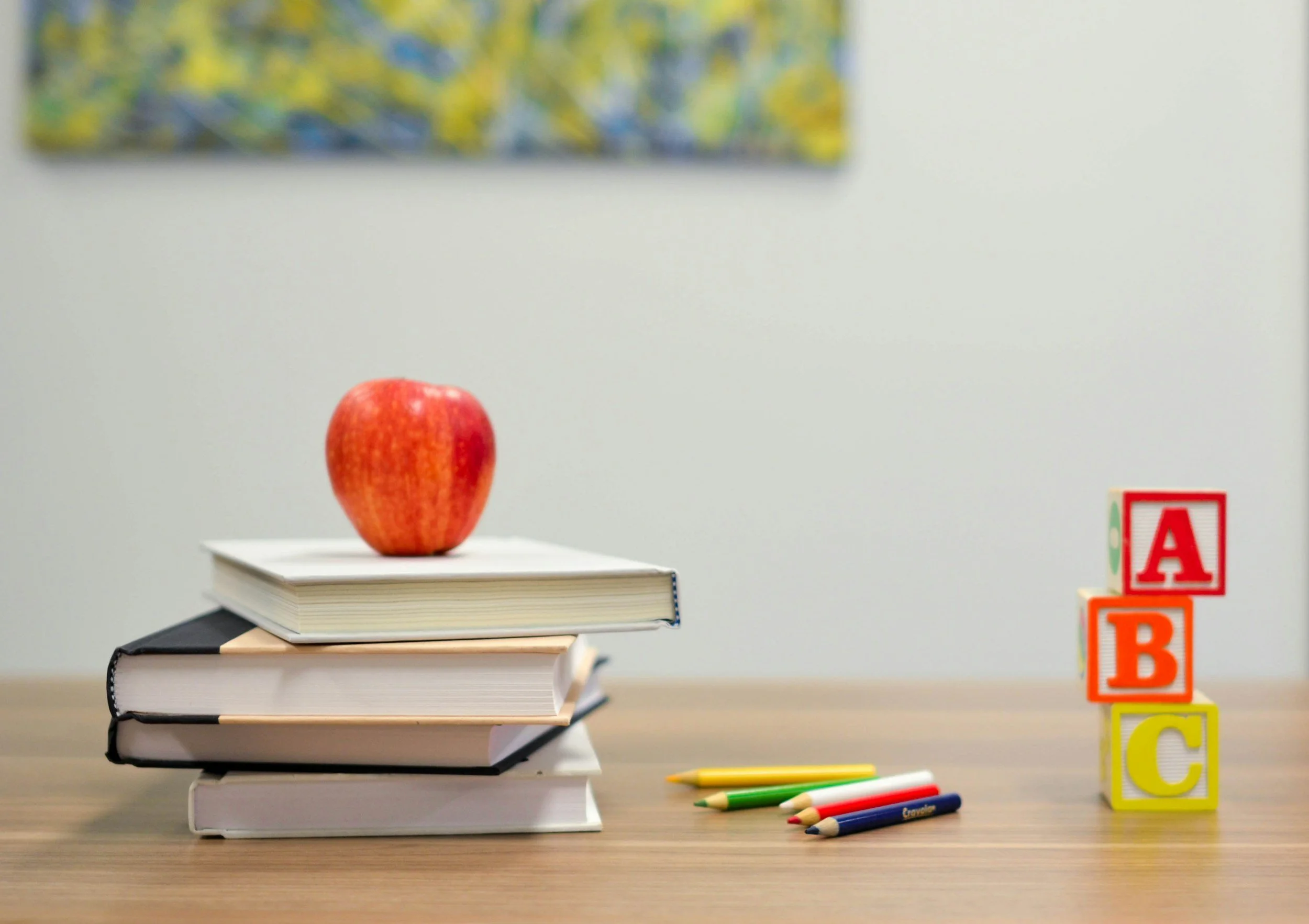
As the days get shorter and cooler, I can’t help but think of going back to school. Equal parts dread and excitement, looking forward to familiarity while also hoping for something new. Whether we look back fondly or reluctantly, and whether that time is long past or only recently behind us, there’s a reason the feeling lingers.
Secondary education – middle and high school – is a critical period of growth, setting the stage for future academic, social, and personal development. We prac- tice necessary skills to think critically; manage time and responsibilities; and regulate emotions and relationships. Behavioral health challenges can make learning more difficult, affecting a person’s motivation, attention, and retention, and this is especially true for young people.
Social and emotional stress caused by stigma is all-too-common in these formative years. How others perceive and label us is connected to how we come to see and understand our developing selves. Filter these through familiar intersections of race, class, and status in an age of social media saturation, and a lingering pan- demic, and it is easy to see unique and unprecedented challenges. Addressing behavioral health and improving access to services can yield positive outcomes in the lives and learning of Maryland students.