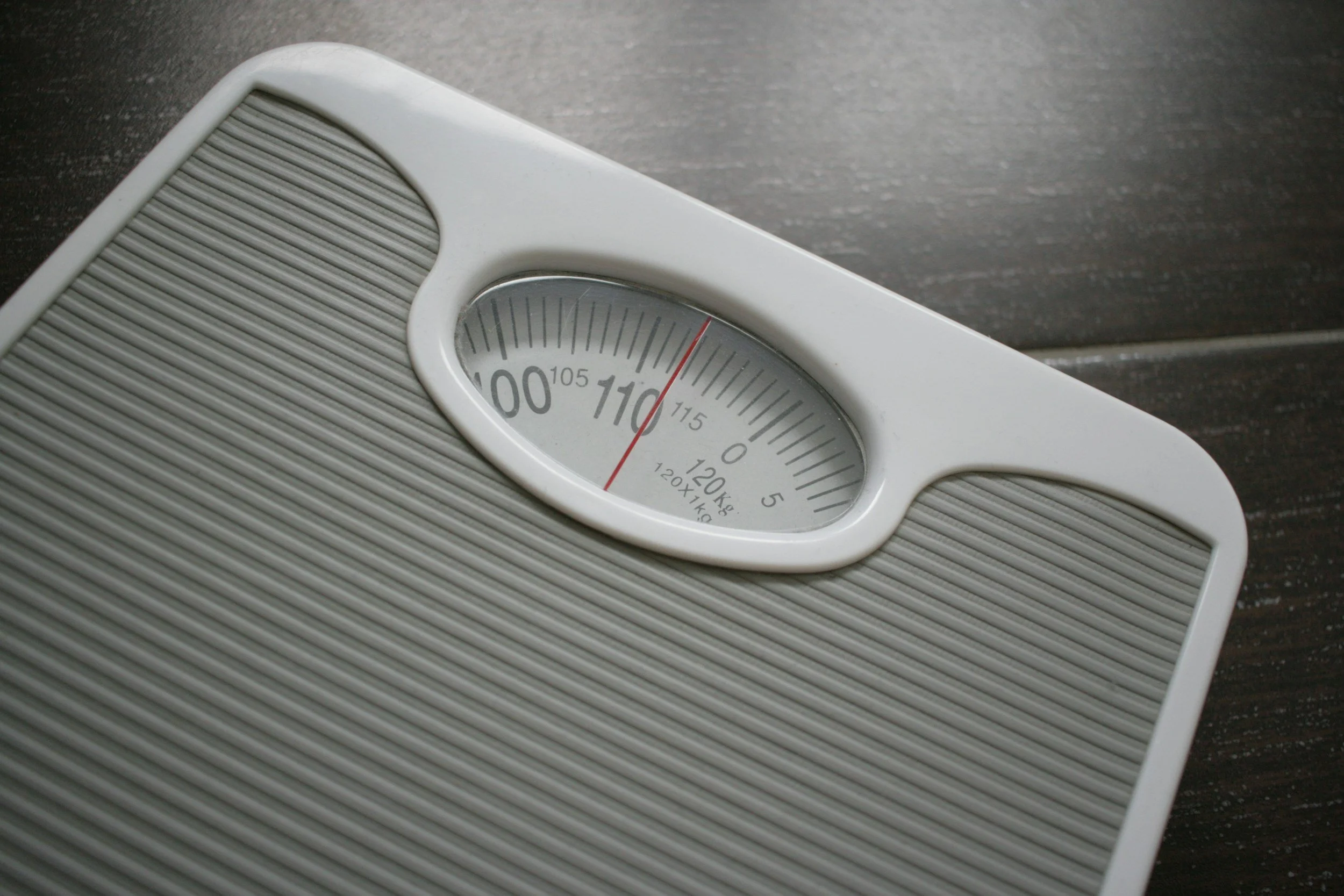
More than 40% of U.S. adults, across a range of body sizes, have reported experiencing weight stigma at some point in their life (Abrams, 2022). Over 50% of individuals who have encountered weight stigma also disclose living with at least one mental health condition. Stigma, defined as preconceived attitudes or beliefs toward individuals or groups, pervades societies globally. Weight stigma (also referred to as sizeism), is characterized by prejudice or discrimination based on size or weight, profoundly affects mental and behavioral health (Abrams, 2022). It manifests in various forms, such as teasing, bullying, social exclusion, and prejudice.
Strangers and Townsfolk: Facing Self-Stigma Together by R.J. Barna (April 2023)
Stigma is a harmful disconnection caused by prejudging others: thinking, speaking, and acting on what we “know” before taking the time to learn the truth. We’ve all experienced it, prejudging others and being prejudged to varying degrees and for various reasons. It can be intentional or unintentional. It may be rooted in rumor, past experience, or even partial fact. It could be well-intentioned (“Oh, you’re X? My cousin is too, and they just needed Y.”), but even then, it’s still harmful.
Stigma occupies the space where people might be received and truly known. When prejudgment of another overshadows that person’s value, it makes genuine connection between the perceiver and the perceived impossible. Stigma keeps us strangers. And if you start to believe the stigma, you can even become a stranger to yourself.

