
intersectionality

Untangling Compound Identities: The Unique Challenges of Dual/Multiple Stigmas by R.J. Barna (1/15/2026)

Untangling Compound Identities: The Unique Challenges of Dual/Multiple Stigmas by R.J. Barna (1/15/2026)

Each person’s experience with stigma is unique due to the diverse parts of our identities: appearances, histories, communities, cultures, and even learned perspectives. When we accept and are accepted for these aspects, we feel whole, but when harmful prejudgments become entwined with our personal identifiers, the parts no longer seem to fit and may negatively impact the whole. Being stigmatized for what should be sources of strength and pride impacts our ability to connect with ourselves, with those who prejudge us, and even with others experiencing stigma for similar reasons. When aspects of our identity become cobbled together with dual and compound stigmas, especially in regard to behavioral health, we encounter significant and unique challenges to recovery.

Behavioral Health Supports for Deaf and Hard of Hearing People: An Interview with Sharon MacDougall by R.J. Barna (7/1/2025)

Behavioral Health Supports for Deaf and Hard of Hearing People: An Interview with Sharon MacDougall by R.J. Barna (7/1/2025)

Humans have a tendency to define the world according to their own perspectives. In the U.S., how we grip tools like scissors and measuring cups, interact with devices like cameras and keyboards, and write from left to right (without dragging our hand through wet ink) favor the 90% of the population that is right-handed. When a process works for most people most of the time, it becomes all too easy to assume it works for everyone and miss how it leaves others unsupported.

Understanding Weight Stigma and Its Impact on Wellness by Kris McElroy (4/1/2024)

Understanding Weight Stigma and Its Impact on Wellness by Kris McElroy (4/1/2024)

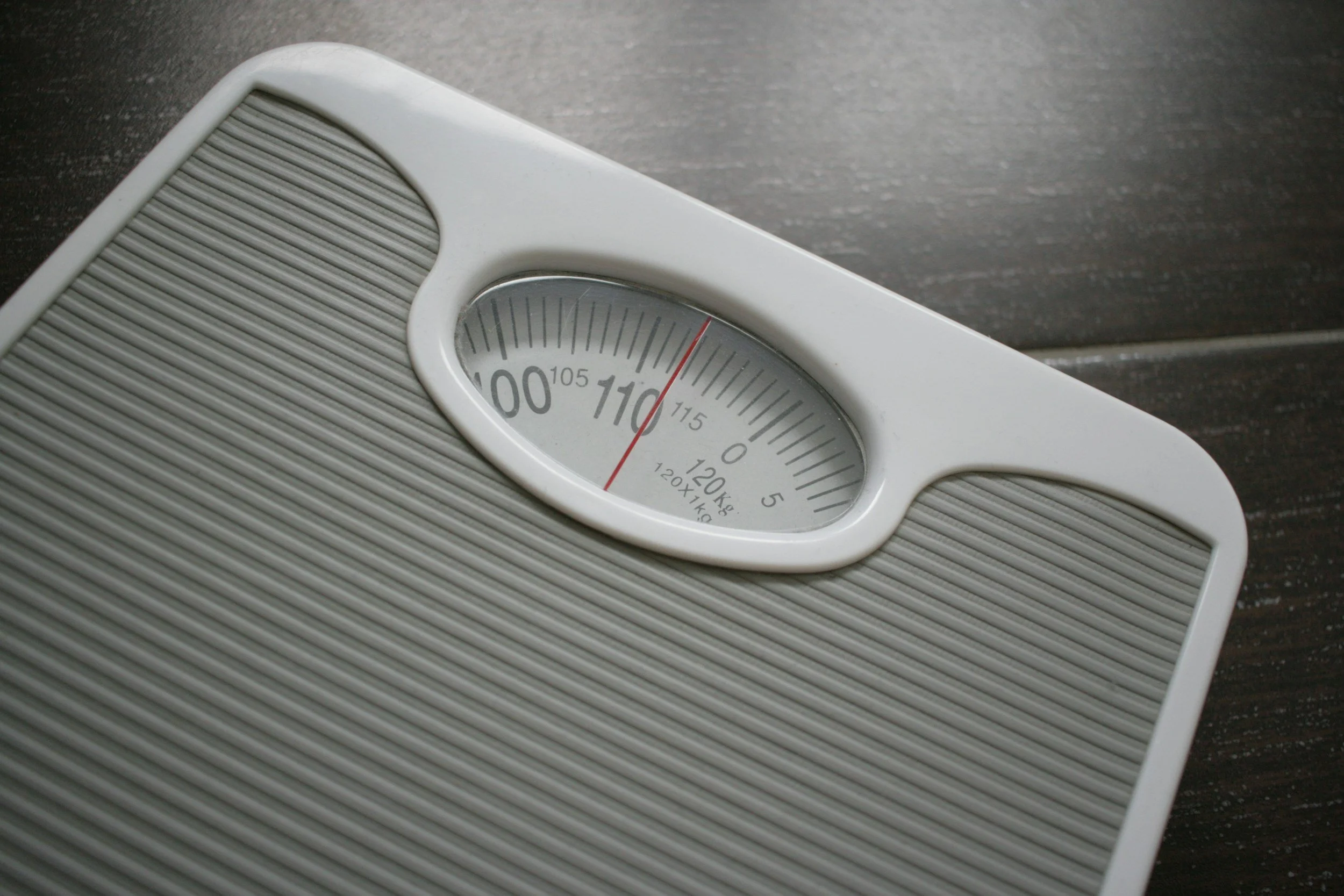
More than 40% of U.S. adults, across a range of body sizes, have reported experiencing weight stigma at some point in their life (Abrams, 2022). Over 50% of individuals who have encountered weight stigma also disclose living with at least one mental health condition. Stigma, defined as preconceived attitudes or beliefs toward individuals or groups, pervades societies globally. Weight stigma (also referred to as sizeism), is characterized by prejudice or discrimination based on size or weight, profoundly affects mental and behavioral health (Abrams, 2022). It manifests in various forms, such as teasing, bullying, social exclusion, and prejudice.