Humans have a tendency to define the world according to their own perspectives. In the U.S., how we grip tools like scissors and measuring cups, interact with devices like cameras and keyboards, and write from left to right (without dragging our hand through wet ink) favor the 90% of the population that is right-handed. When a process works for most people most of the time, it becomes all too easy to assume it works for everyone and miss how it leaves others unsupported.
One of the goals of the Anti-Stigma Project is to illuminate how partially informed practices, attitudes, and beliefs can lead to stigma, disempowering people and undermining the quality of services they receive. Despite well-intentioned efforts and guidelines in the Americans with Disabilities Act, Deaf and Hard of Hearing people face persistent challenges around full access to behavioral health services, experience pathologizing, and see insufficient funding for needed resources.
In a two-part series, we will be exploring how behavioral health systems and services can better support Deaf and Hard of Hearing people, a diverse set of communities that tend to be small, geographically scattered, and composed of differing identities and ideologies. Part One in this issue maps out some of the current landscape on a systems level, and Part Two in our Fall 2025 issue will focus on personal experiences.
For a broad introduction, I spoke with Sharon MacDougall, a Sibling of a Deaf Adult (affectionately known as a SODA) and the current co-chair of the Cultural and Linguistic Competency Committee of the Behavioral Health Advisory Council. Sharon has 30 years of experience working in the behavioral health and human services fields, and has been a tireless and passionate advocate for increasing inclusion of Deaf and Hard-of-Hearing voices in policy conversations.
Sharon told me that Deaf and Hard of Hearing people commonly encounter challenges while accessing services designed for hearing people that include:
Limits of Access and Interpretation: Unless a service provider is able to communicate in American Sign Language (ASL) directly, access to and understanding of services will always be limited. A third-party interpreter translates between ASL and English, which means important cultural context and linguistic nuance can be lost or misunderstood. Interpretation also takes longer, which is especially important when time is limited or billed, and can disrupt privacy, confidentiality, and comfort. Because Deaf people are often assumed to understand written English (which is not always their primary language), providers may not be providing adequate information in an accessible format about conditions and diagnoses, what services are available, clinical practices, and program expectations.
Dual Stigma: Multiple stigmas intersect and compound with one another. Being stigmatized for both being Deaf and for experiencing mental health challenges is a complex and unique situation. In the past, Deaf and Hard of Hearing people were often institutionalized, which perpetuated the stigmatizing concept that all Deaf people experience mental health challenges. Similarly, a false association persists between deafness and an inability to learn or understand, simply because auditory, incidental learning that occurs in hearing environments is not accessible. For example, a hearing child may passively learn to resolve conflicts or navigate social interactions by overhearing verbal exchanges by classmates and others in the community.
Siloing and Disconnection: Because mental health, substance use, and disability services are often siloed in different systems, funding streams, and provider networks, Deaf and Hard of Hearing people may have difficulty getting their holistic needs met. Being the only person of a particular identity in a group is already difficult, and not speaking the same language as your peers can be very isolating. A deep sense of disconnection can be traumatizing, and increases the risk for mental health and substance use challenges.
Challenges of Identity: Because 90% of Deaf people are born to hearing parents, many identify as hearing people/English speakers with a disability. Some seek out medical treatments like cochlear implants that allow hearing, while others, who identify as Culturally Deaf, do not see a need for medical treatments related to their deafness, embrace ASL as their primary language, and navigate systems that were not designed for them (as do many marginalized groups). Although many do not want to be labeled as “disabled,” they are forced to do so in order to receive ADA accommodations they deserve, sometimes through legal action.
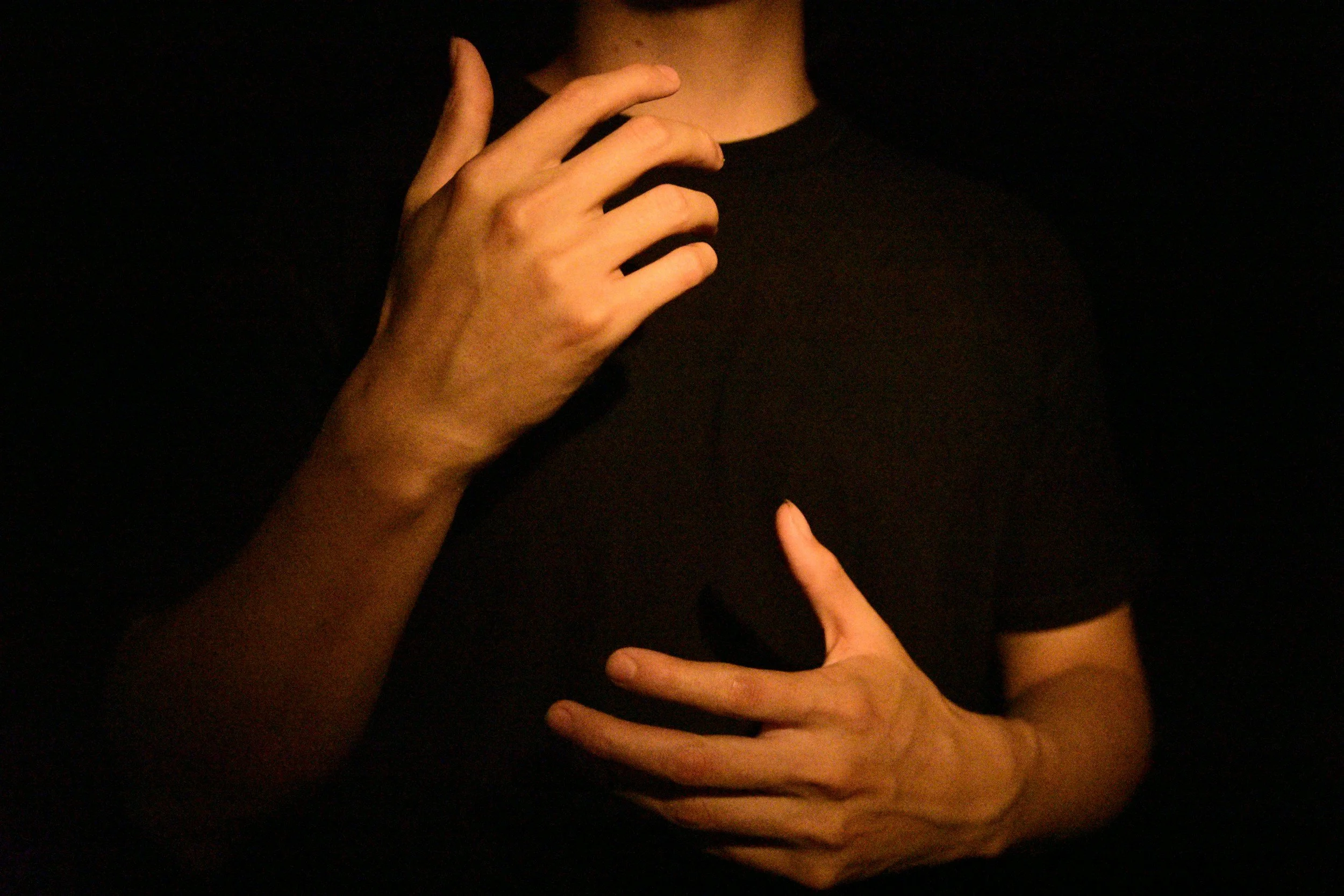
Pathologizing: Cultural aspects and behaviors that are part of Deaf culture and ASL communication like facial expressions and body movements (raising eyebrows, stamping feet, or waving arms to gain attention when saying/hearing, “Excuse me?” isn’t an option) are often pathologized as signs of behavioral health challenges instead of normal communication. Due to stigma and prejudgment, some may equate physical cues as pathology and mistreat with therapy or drugs.
Distrust of Systems: Unnecessary institutionalizations, misdiagnosis, stigmatizing associations, lived experience of being mistreated with supports/services designed for hearing people, or being denied accommodations has led to an understandable distrust of systems by many.
These challenges are often compounded by underfunding of resources for Deaf and Hard of Hearing communities and lack of representation in policy discussions. Current data identifying the Deaf and Hard of Hearing community as a “low incidence population” may not fairly represent the situation since stigma and negative past experiences with services keep people from participating in data collection efforts. There is also an intense focus on offering ASL interpretation of existing services designed for hearing people, but that is based on the persistent misunderstanding that providing an interpreter results in “full access.” Sharon stressed that this is an accommodation, but it does not provide a fully accessible continuum of care that meets the unique needs of the Deaf Community.
How can behavioral health systems become more attentive and accessible to the Deaf and Hard of Hearing community? Sharon expressed that what’s needed most is a commitment to looking at the bigger picture: a comprehensive assessment of what exists in order to learn what best practices are and move toward positive change. Including all interested stakeholders in the process is crucial, and there has been recent progress in recent years.
Stakeholder meetings were held two years ago, giving the community an opportunity to provide feedback on gaps and needs in services. Shortly after, the state held a conference on unique aspects of behavioral health with persons who are Deaf and Hard of Hearing. This year, the Behavioral Health Association hosted a webinar on Suicide and the Black Deaf Community, which was well attended and provided a wealth of information about the unique aspects of mental health for this group of Deaf people. The Maryland Association of the Deaf established a mental health committee, which has been looking at improving access to care and working towards a collaborative effort with the state. Frederick County organized a group of retired therapists to provide education and information regarding resources to the large Deaf Community there.
These encouraging efforts are all reasons to continue challenging stigma, learning from one another, and improving access to equitable services.
Stay tuned for Part 2 of our series, coming soon!