For many folks, work plays a significant role in our lives. Work can be a means of survival, provide a sense of purpose, and even contribute to identity and social expression, all of which can contribute to overall wellness. And yet, work can also be stressful. A recent study shows that 77% of employees report work has negatively impacted their health.
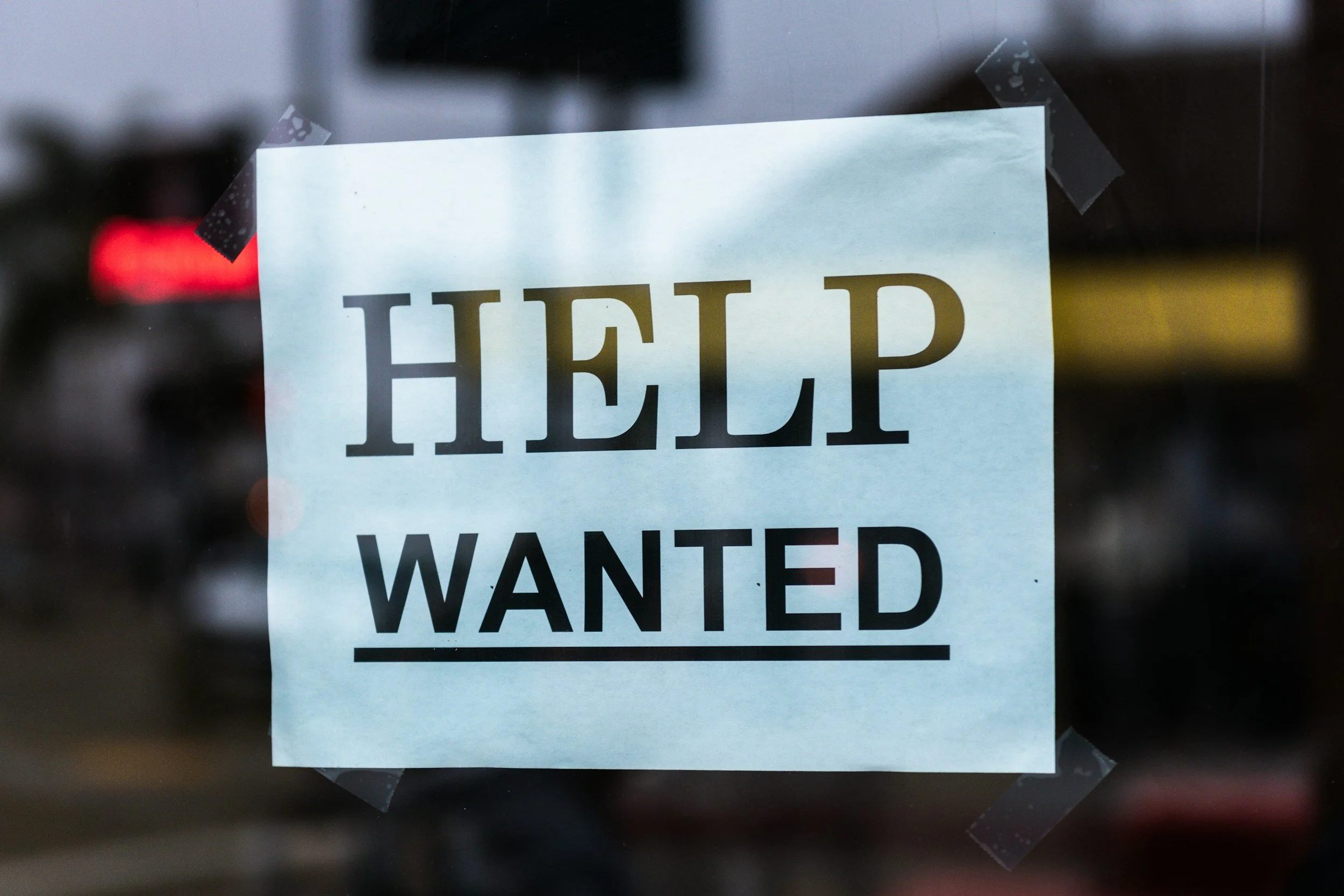
Finding and maintaining meaningful employment can be even more challenging for the roughly 60 million Americans with behavioral health needs, who are three to seven times more likely to be unemployed. Many organizations are not educated about behavioral health and how to support workers with those challenges. During busy times of year that necessitate bringing on temporary, seasonal help, such as the holidays or summertime, that can be even more difficult.
Eliminating stigma and maintaining recovery-friendly culture is key to improving both an organization’s success and an individual’s wellness.
What is a Recovery Friendly Workplace (RFW)?
A “Recovery Friendly Workplace” is exactly what it sounds like. When an organization and its employees commit to being open to supporting the on-going recovery of folks experiencing behavioral health challenges, they are being recovery friendly.
On a policy level, this can look like going beyond the ADA (Americans with Disabilities Act) requirements of providing reasonable accommodations to employees who disclose a challenge, by not requiring a doctor’s note to qualify for sick time, for example. This allows folks to make their own choices for care that exists outside a medical model, such as peer support and recovery groups.
On an operational level, this may mean posting information about support groups and 988 in employee spaces, and keeping Narcan on-site with folks trained to use it.
On a personnel level, this may be as simple as ensuring the language we use is more inclusive and less stigmatizing.
A recovery-friendly workplace benefits employees and a company’s bottom line
It goes without saying that staff who feel “less than” or stigmatized are going to struggle at work, and that’s not good for people or for businesses. Studies consistently show that companies lacking adequate support for individuals facing behavioral health challenges see higher rates of absenteeism (more days of work missed) and presenteeism (reduced productivity at work).
According to data collected by the National Safety Council (NSC), unsupported employees who experience mental distress and illness cost employers over $2,800 per year in health care services, $4,700 a year in days of work missed, and $5,700 a year related to turnover. It also costs significantly more in both time and money to replace - rather than support - an employee. Gallup recently reported that the cost of replacing an individual employee can range from one-half to two times that employee’s annual salary. Losing an employee also costs relationships and morale. Employees lose a friend and trusted colleague while gaining a sense of insecurity that their own position may be directly impacted.
Occupational Wellness is one of eight interconnected dimensions of wellness (8DOW) according to the framework developed by Dr. Peggy Swarbrick and her colleague Jay Yudolf. According to Headspace, more than half of employees say that, “work has made a positive impact by helping them find a community of people with similar backgrounds and lived experiences.” Considering that the average American employee works 8 hours a day with a 25 minute commute each way, most are spending more than half of their waking lives at or on their way to work. While work is only one contributing influence on wellness, it can be disproportionately impactful on others: physical, emotional, environmental, and, of course, financial.
Stigma at work disrupts recovery and organizational goals
There are many definitions of stigma, and stigma plays out in different ways, especially in the workplace. Stigma occurs when we allow assumptions regarding a label, title, or situation to limit another person’s experience, relationships, or choice. It is often unintentional, and it can even be well-intentioned.
As an example, if an employee discloses an Obsessive Compulsive Disorder diagnosis, a manager may think to assign that person to a tedious, quality assurance task, assuming they may enjoy the work or be good at it, without discussing it with them. Often, we discuss how stigma leads to discrimination based on behavioral health diagnoses, but we stigmatize for any number of reasons like race, age, gender, physical difference, just to name a few. Stigma can also be subtle, such as leaving folks out of discussions or avoiding certain jokes or comments when that person is around, while continuing to make them when they aren’t.
Workplace stigma can manifest as:
Negative attitudes, like unfair assumptions about an employee’s capabilities, or labeling that person (directly or implicitly) as incapable or a liability, without evidence.
Harassment, like using derogatory language (“psycho” or “junkie”), insulting phrases (“clean” vs. “dirty” referring to substance use), or making jokes or unwelcome comments about an employee and their recovery.
Pathologizing a person’s experience as somehow illegitimate or inaccurate due to a behavioral health challenge, like assuming someone missed a signature on a lengthy and hard-to-understand form due to their ADHD diagnosis and not because the document needs revision.
Employment decisions, like not hiring, considering, or promoting someone (especially a prejudged group) due to diagnoses, disclosed disability, or any other facet of their behavioral health history.
Fear: employees may be afraid of losing their job or being passed over for promotions if they pursue services, disclose a behavioral health challenge, or openly discuss their recovery.
In the workplace, where effective communication and teamwork directly contribute to productivity and a sense of accomplishment, stigma can hinder individuals and organizations alike. This is especially true when considering the impact on and of seasonal workers.
Seasonal work and stigma
Seasonal workers often work less-favorable hours for minimum wage and no benefits, lacking the support and organizational knowledge necessary to advocate for their needs. Seasonal workers are often stigmatized for these reasons, considered in practice and by policy as less-than or less important than a traditional employee. This kind of stigma can be common enough already in the workplace – day shift vs. night shift, salary vs. hourly staff, full-timers vs. part-timers – which further complicates this relationship and creates additional opportunities for stigmatizing behaviors to manifest.
Seasonal workers also bring in new ideas, attitudes, and perspectives. While this can be a tremendous benefit to enhancing company culture, it can also erode existing recovery-friendly workplace policies without effective onboarding. Considering the added stress of a busy time that warrants supplemental staff in the first place, employees may be more focused on surviving the rush than contributing to a healthy workplace culture while they do.
What you can do
Creating a safe and recovery-friendly space means doing more than just avoiding disruptive and stigmatizing behaviors, like those mentioned earlier. It takes a combined effort, from all employees. Some ways to reduce stigma include:
Lead by example, whether you are a seasonal hire or long-time manager. Embody the attitudes and behaviors you want to see.
Learn about your co-workers, including seasonal employees. Ask them questions if they are open to it. What do they do for fun? What kind of music do they like? Get to know one another on different levels beyond name, role, and employment status.
Check in with one another. Don’t assume that someone wants to or would disclose their own experience or challenges, but make sure to create an environment where doing so would be supported.
Explore informal education like reading a book or watching a documentary about any facet of behavioral health and starting a discussion when and where appropriate.
Demonstrate openness by leaders sharing their own mental health experiences to show vulnerability and disclosure as strength. Modern trends show that, “leaders who create the space for true vulnerability build psychologically safe work environments in which people feel welcome to be themselves” (Omadeke).
Review organizational policies and procedures regularly for situations that unfairly limit, label, and/or discriminate against employee groups, especially those related to hiring, retention, and employee support.
Organize formal training. Find ways to have this conversation with your staff, and be open to learning new things from them as well. The Anti-Stigma Project has a wide-variety of interactive workshops available that have been shown to reduce stigmatizing attitudes and behaviors, which are often free to Maryland-based organizations.
Remain person-focused. Treat stigma reduction as mutual learning, and remember that a stigmatizing behavior or attitude may not be intentional. Uninformed staff may even think they are helping.
Reducing stigmatizing attitudes and behaviors any time of year makes the workplace more recovery-friendly. With estimates suggesting that every $1 spent toward recovery-friendly initiatives results in a $4 return, organizations can’t afford to ignore the benefits. Recovery-friendly workplaces improve organizational productivity and employee wellness, costing less in both dollars and stress. ν
To learn more about making your own workplace more recovery-friendly, please visit the Maryland Department of Labor website for Recovery Friendly Workplaces. https://bit.ly/RFWMD
Sources
2024 Workforce State of Mind. 2024. (n.d.). https://get.headspace.com/2024-workforce-state-of-mind
Bakker, M., et al. (2022, September). In what ways does health related stigma affect sustainable employment and well-being at work? A systematic review. Journal of occupational rehabilitation. https://doi.org/10.1007/s10926-021-09998-z
Shrivastava, A. (2023, October 19). Job seekers increasingly interested in seasonal work, but employers aren’t. Indeed Hiring Lab.
The best leaders aren’t afraid to be vulnerable. Harvard Business Review. (2022, July 23). https://hbr.org/2022/07/the-best-leaders-arent-afraid-of-being-vulnerable